2026年1月20日
Which way is better for cabinet installation: Three in One Connector Cam lock or using screws directly?
Which way is better for cabinet installation: Three in One Connector Cam lock or using screws directly? Let see the below core differences,advantages,disadvantages,and application scenarios of both
Which way is better for cabinet installation: Three in One Connector Cam lock or using screws directly?
Let see the below core differences,advantages,disadvantages,and application scenarios of both.
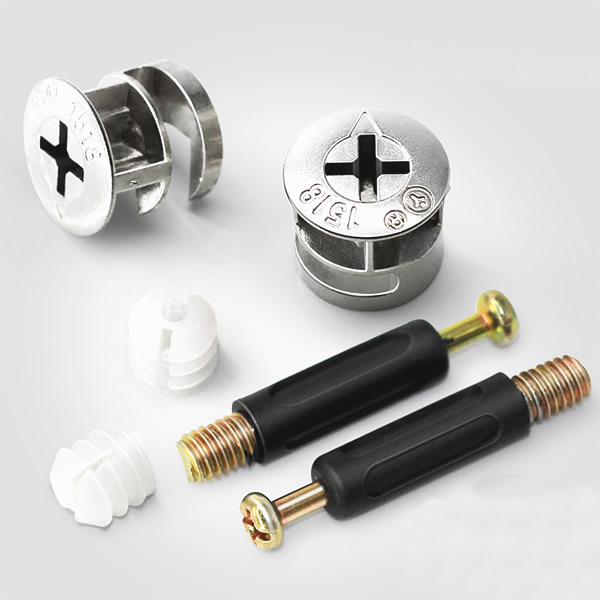
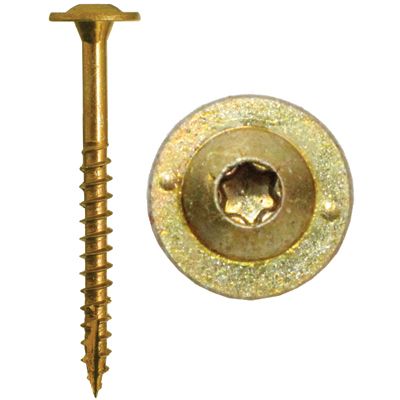
Point | Three in One Connector Cam lock | Using screws |
Essence | A concealed connection system comprising a cam lock, connector bolt, and embedded nut. | A direct-penetration fastening method. |
Aesthetic | Excellent. The connection points are concealed (only small holes on the sides, which can be covered with caps),clean appearance. | Disadvantage: Exposed screw heads compromise aesthetics; this method is typically used in concealed areas. |
Connection Strength and Working Principle | Advantage: The rotation of the cam generates powerful lateral tension, tightly clamping the panels together. This results in strong shear resistance and a stable structure. | Moderate. This method relies on the vertical grip between the screw and the panel. While it offers decent pull-out resistance, it is prone to loosening under lateral or shear forces. |
Removable | Advantage: It can be disassembled and reassembled multiple times (typically over 10 cycles) without damaging the pre-drilled holes in the panels. | Disadvantage: After 1-2 cycles of disassembly and reassembly, the screw holes are prone to stripping or enlargement, leading to a loss of clamping force. This essentially makes it a single-use connection method. |
Installation Accuracy Requirements | High Requirement. It relies on precisely pre-drilled, standardized system holes (processed with a boring machine). | Low Requirement. It allows for on-site, flexible drilling with high error tolerance, making it suitable for manual and non-standard installations. |
Production Requirements | High. All holes must be pre-processed in the factory using specialized equipment, which is a hallmark of industrial and standardized production. | Low. No specialized equipment or pre-processing is required, as the work can be completed manually on-site. |
Installation Speed | Fast for system assembly. Once the holes are aligned, tightening the cam locks is very quick, making it suitable for assembly line production. | Individual connections are fast, but overall efficiency is low, as each connection point requires separate alignment, drilling, and tightening.。 |
Cost Composition | Connector cost + High-precision machine boring cost. While the individual components may seem expensive, the high efficiency achieved through mass production offsets this. | Almost zero cost. The cost of screws is negligible, but the labor time required may be longer. |
Lateral Adjustment Capability | Strong. It can automatically pull and align two panels flush, minimizing errors. | None. It relies entirely on the installer's manual alignment, making misalignment prone to occur. |
A professional cabinet installation invariably follows a combination strategy, "cam lock system as the primary method, screws as the supplementary."
—Cabinet Frame (Core Structure) — Must use the cam lock system.
Why? This is the "skeleton" of the cabinet. It determines whether the cabinet is square, stable, load-bearing, and durable. The powerful clamping force and disassembly capability provided by the cam lock system are fundamental to ensuring the cabinet maintains its shape during long-term use and remains adjustable in the future. This is a key feature distinguishing factory-standardized products from on-site, hand-built cabinets.
—Back Panel Fixing — Typically uses screws.